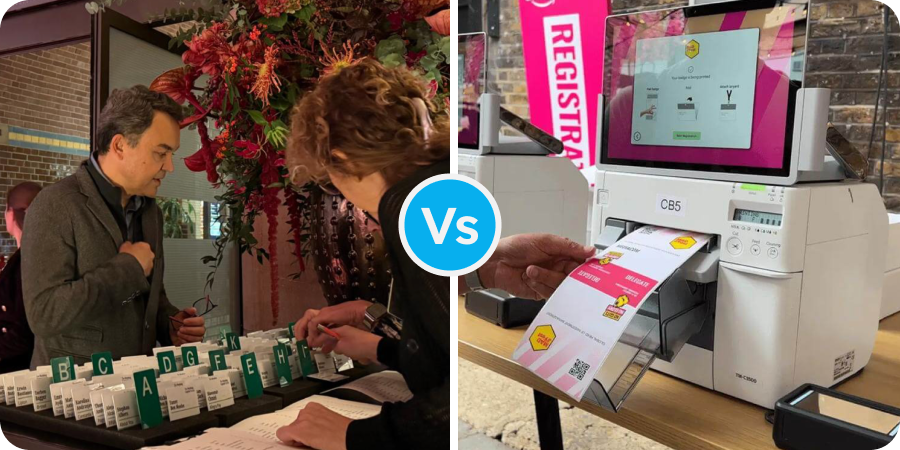



When should you close registrations for your event?
How about never? If your event isn’t full in the days before it goes live, closing registration early usually means one thing: you’re turning people away. Whether it’s a paid event or free to attend, the objectives are likely linked to attendance numbers, so it makes little sense not to allow them to be maximised. Late registration isn’t bad. It’s normal, it’s human, and the data backs it up. People wait until the last minute because budgets get approved late, diaries shift, or someone sees a LinkedIn post the day before and decides they should attend. And much to the chagrin of many event organisers, the trend to register late is on the rise. According to Maritz’s Registration Report, 45% of attendees sign up in the last four weeks, 22% in the final week, and about 9% register onsite. That’s a huge portion of your audience making decisions at the last minute. Closing registration early doesn’t reduce stress, it just reduces ticket sales. With onsite badge printing and modern event technology using integrated systems, there’s no reason attendance should be held back by outdated processes. Two deadlines every event needs As an event planner, it helps to think in terms of two separate dates: Planning freeze: when you lock what needs locking: catering numbers (with a reasonable buffer), staff schedules, and exhibitor lists. This keeps logistics manageable. Online registration cutoff: when you stop accepting sign-ups online and switch to onsite registration. A staffed desk, scan-and-print badges, and a clear “register when you arrive” message. You’re not closing the door. You’re opening a different one. When to set the pre-registration cut-off Consider what a last minute registration changes for the event. For many events, the capacity’s there. You may even have more than enough capacity once you take into account no shows. If you see ‘go shows’ (attendees who turn up without pre-registering) as natural substitutes for ‘no shows’, the issue becomes less bewildering. In many cases, it’s just a name badge swap. But even that only applies if you pre-print badges offsite. If you’ve got onsite badge printing capabilities then you don’t have this worry. It’s a legitimate concern to think your helpdesk may be overwhelmed with manually keying in on site additions. But if you take advantage of an API to integrate your registration platform with your badge printing system, you can encourage last minute attendees to register on their phones and their data will be ready for badge printing when they get to the registration desk. So for many events, late registrations only cause problems when your badge process can’t handle them. A practical three-step approach: Step 1: Incentivise early registration with early bird pricing, or additional incentives (free coach transfer, VIP upgrade, lounge access, food vouchers). Step 2 (optional): For pay-to-attend events, add a late registration tier, not as a penalty, just a different process. “Late registration (onsite) includes badge printing and staff assistance.” Step 3: Plan for the surge. Extra staff during peak arrival windows, a dedicated lane for new registrations, and emergency badge stock all help keep check-in moving. It really helps here if you have arrival time data from previous iterations of the event, or comparable events you’ve been an insider on. How Conference Badges supports late registration Many badge suppliers are set up for one scenario: print everything in advance and hope the list doesn’t change. But attendee lists always change. Conference Badges is built around flexibility: onsite badge printing, QR code and RFID badges and last-minute data edits are expected. That means you can keep taking registrations during the event without check-in falling apart. We integrate with many key event registration platforms, such as Eventbrite, Stova or Swoogo, so guests can even register in the queue and still pick up their name badge with no delays. Quick check: can your event keep registration open? If most of these apply, you’re in a good position to stay open longer: You can print badges on demand onsite Your process handles last-minute data changes You have enough staff planned for peak arrival You carry backup badge stock and can reprint quickly Check-in includes QR code scanning for speed Catering numbers can be adjusted without high expense There are simultaneous sessions attendees can go to, e.g. if the main sessions are full If not, an earlier online cutoff is the safer option but it’s worth exploring what would need to change. Want to keep registration open longer? Conference Badges can support late registrations with onsite badge printing and scan-and-print workflows so you don’t lose attendees just because they signed up late. Get in touch for more help